The Chili Paste That They Produce is Organic, Booming Business in Rural Kalinga
As spicy as red-hot chili, as hot as the booming business of a Kalinga community.
Chili paste is slowly becoming part of the Filipino eating tradition. The palette of Pinoys have evolved over time, cultural exchanges and new ways of eating food are among the factors that has contributed to this.
Also add, the rise of instant foods such as siomai, burgers, and potato salads. These cuisines are not as great without chili paste.
Alongside these developments, is the rise of a new livelihood for the Filipino – making chili paste.
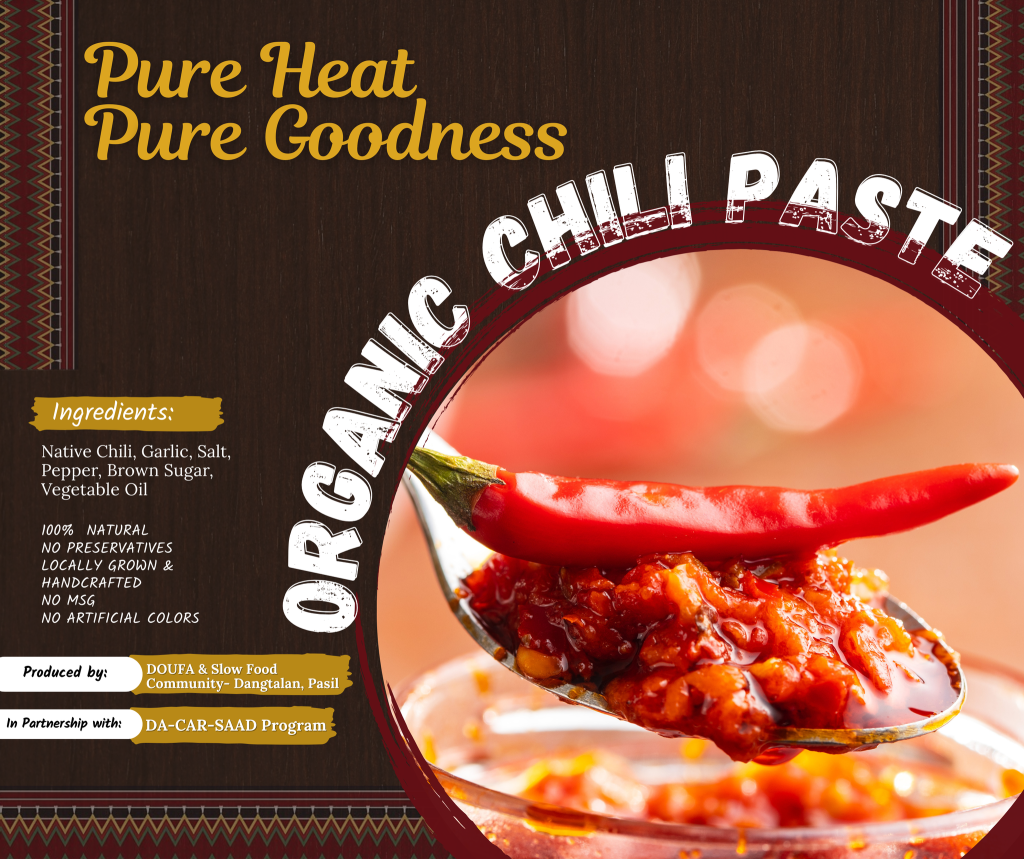
Table of Contents
Backyard to Bottles
The remote village of Dangtalan in Pasil, Kalinga is known for its traditional handmade clay pottery. The preserved culture of the residents continuously attracts visitors who are interested in authentic Cordillera experiences.
Moreover, residents’ main livelihood is on agriculture. Their heirloom rice and vegetables serve as their main crops.
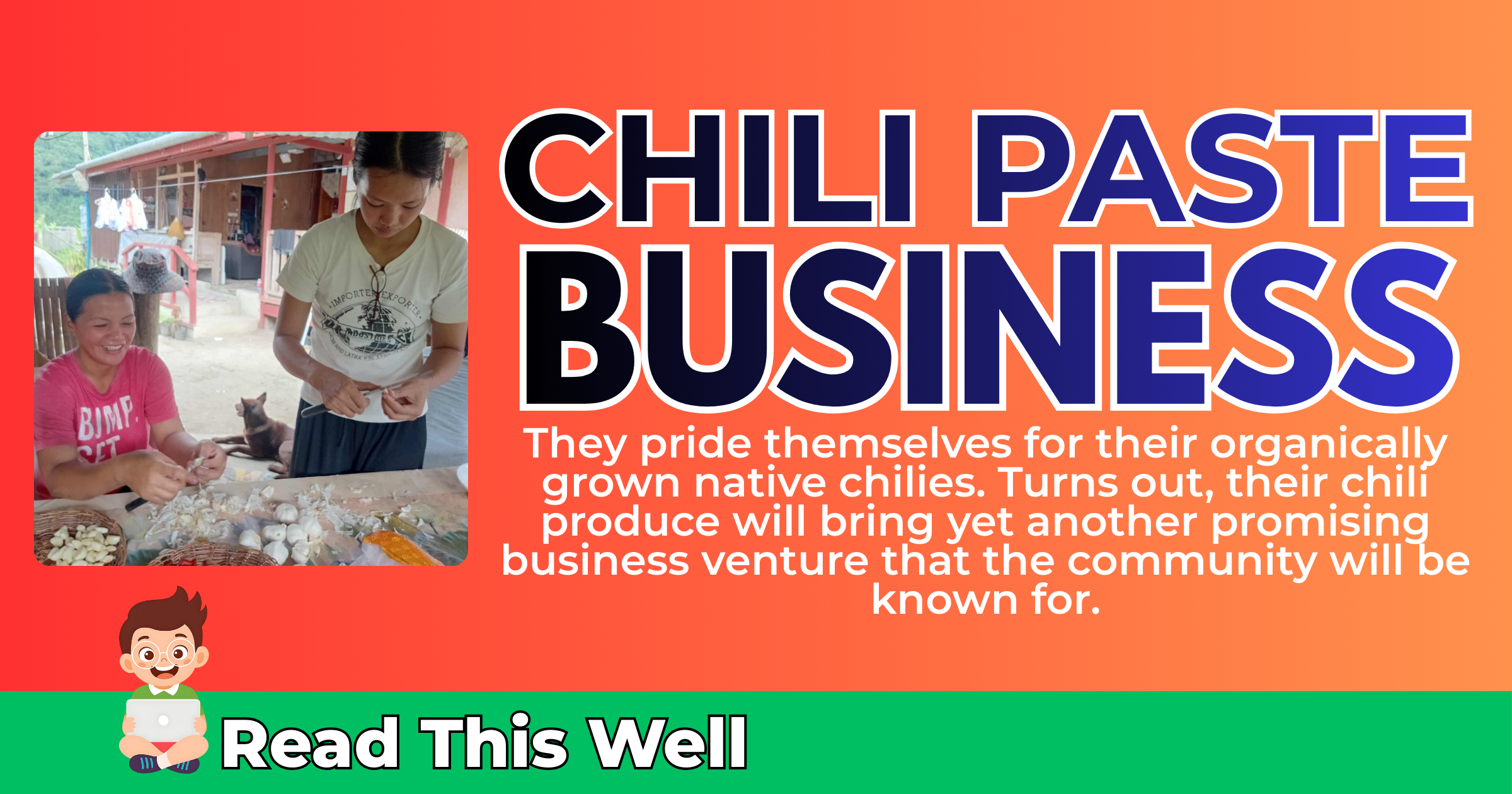
In addition, they pride themselves for their organically grown native chilies. Turns out, their chili produce will bring yet another promising business venture that the community will be known for.
The community is now engaged in their booming business of growing native chilies and transforming these into their chili paste products.
Self-Learning & Traditional Methods
The chili paste product of the community was created through self-learning and sharing knowledge with others.
That is, according to President Lonely Lovely B. Aguac of the Dangtalan Organic Unoy Farmers’ Association (DOUFA). The association is composed of 30 members; they are mostly engaged in farming but now adding creating chili paste to their livelihood.
In addition, what also contributed to their success was growing their own chili seeds through sticking to traditional and organic methods. Their chilies are quality assured as certified by the Participatory Guarantee System (PGS).
The team is being supported by the Department of Agriculture – Special Area for Agricultural Development (DA-SAAD) Phase 2 Program and the Slow Food Community.
The government agency (SAAD) has provided them with agricultural interventions and training on Good Agricultural Practice (GAP).
Some members sell their chilies individually while others have combined theirs for product development – making chili paste.
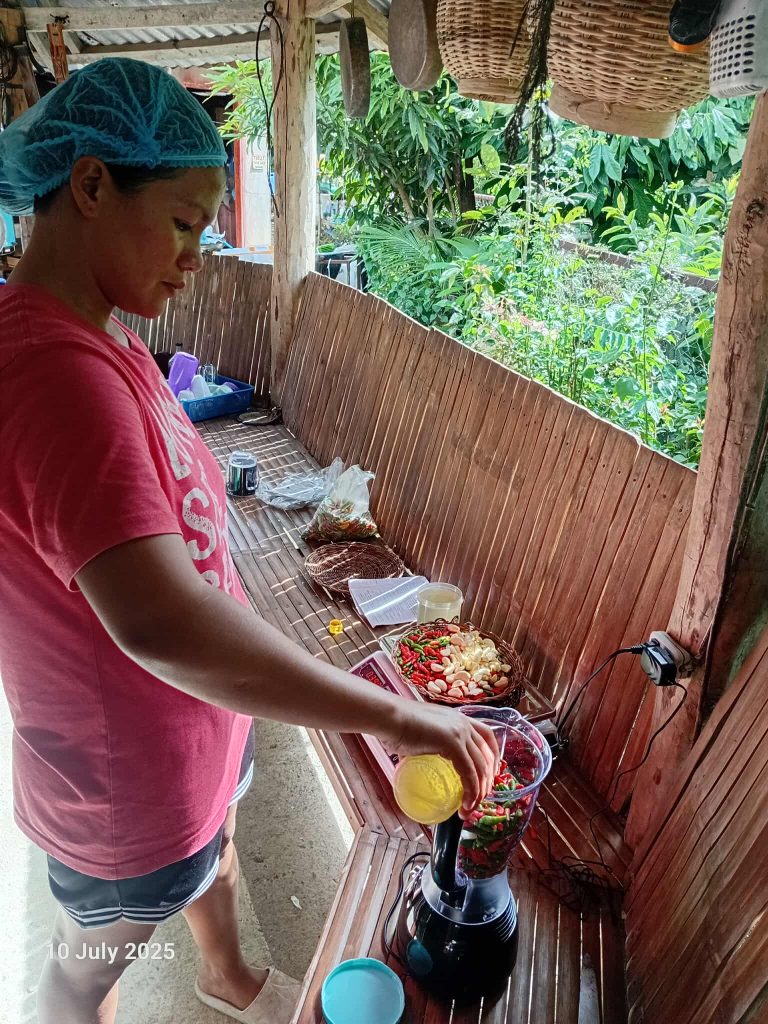
How to Make a Chili Paste
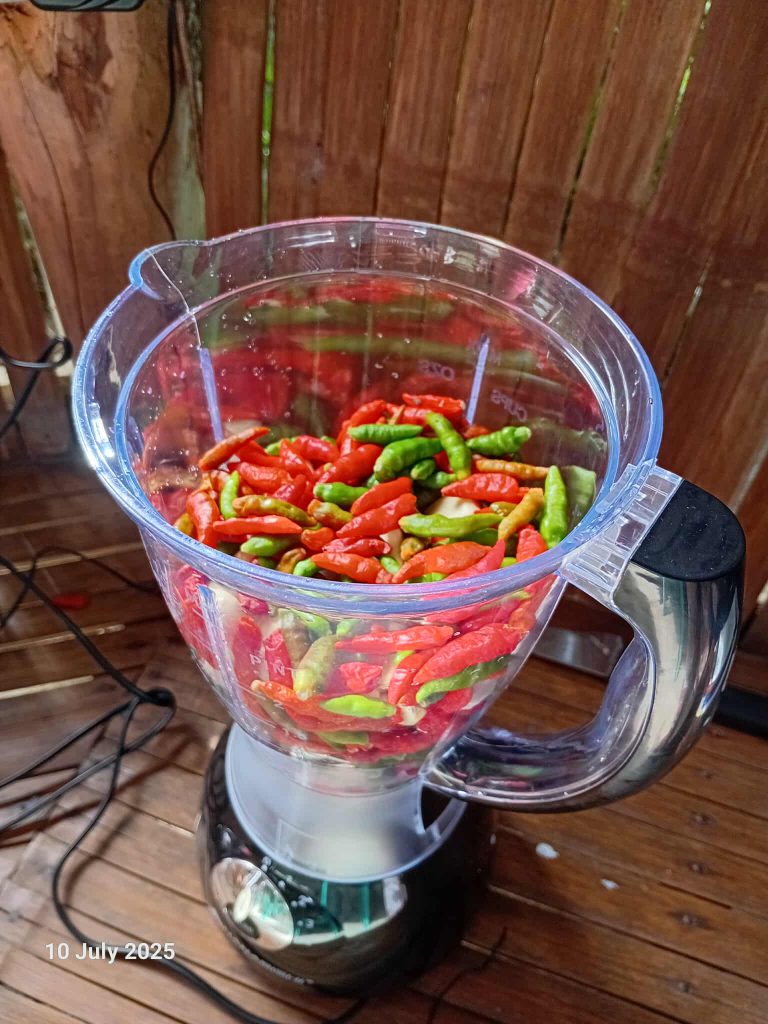
The DOUFA has disclosed that the ingredients they use for their product are native chilies, garlic, brown sugar, salt, pepper, and vegetable oil. All of which are locally sourced.
The chilies are locally grown with no added artificial color and other preservatives during processing.
Tiffy Cooks blog has shared the process to make a chili paste. Here’s how:
- Put minced garlic, minced red chili, minced baby ginger, and minced shallots in a large pan.
- Sprinkle a tablespoon of salt evenly over the ingredients. Make tiny holes throughout the tray.
- In a pot, add 1 cup of oil and add in the green onion. Turn the heat to medium, and let is cook for 5-7 minutes or until crispy light brown. Make sure to keep an eye out to prevent it from burning.
- Remove the green onion from the oil, and pour the oil over all the minced ingredients.
- Mix and let it sit for 30 minutes before jar.
(Note: Tiffy Cook blog has a lot of cool recipes to try, be sure to visit their blog if you are into cooking [click here to visit]).
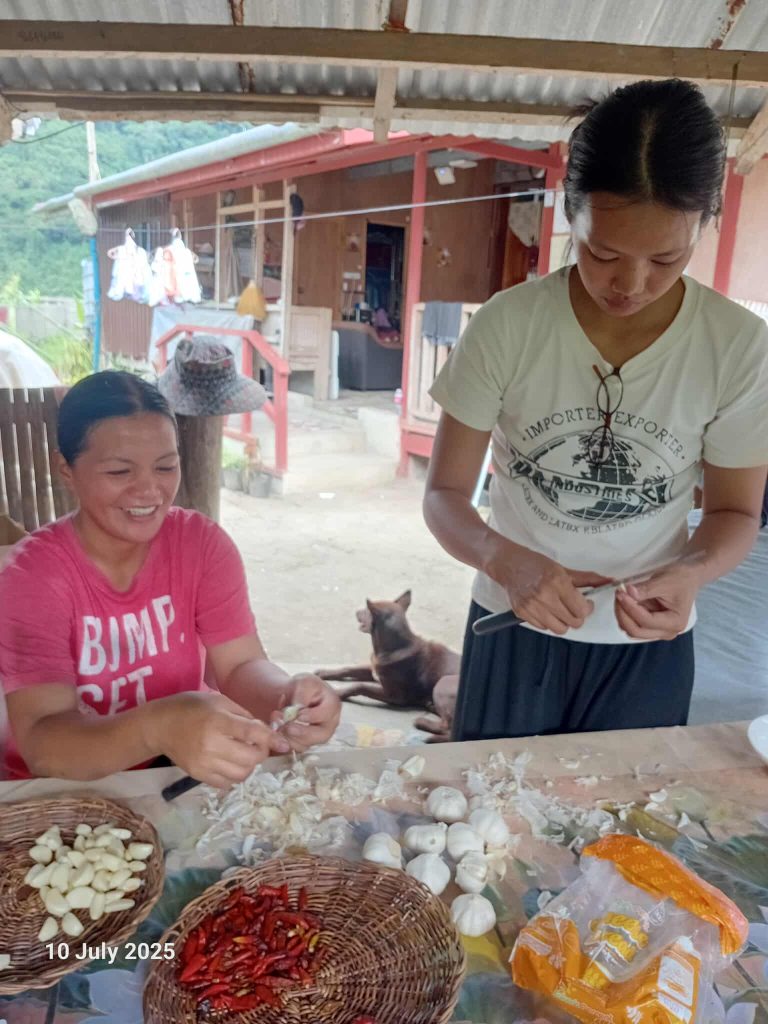
Product Carried with Pride
Production of chili paste in Pasil portrays developments in rural communities – an advancement from traditional growing of crops to creating a product that they carry with identity, value and pride.
They have branded their product as “Pure Heat, Pure Goodness.” Their first batch was sold out in a single day, purchased by neighbors and the municipal staff in their community.
Their product of 200 grams sealed and placed in a bottle, is sold for P150 each.
Organic Agriculture Focal Person Rowena B. Gonnay of the municipality has said, We are so grateful for including Pasil as one of the SAAD Program’s beneficiaries. This help has made a big difference for our farmers. We hope for continued support so they can keep going and reach more markets.”
President Aguac has likewise thanked DA SAAD for uplifting the livelihood of the community.
Long live, Pure Heat, Pure Goodness!
References





News on Your Inbox
Fresh insights and exclusive perks delivered straight to your inbox. Sign up now.